Generative History · 2026-11-24 · notable
GPT-6.2 Astra — names the artist of an anonymous 1808 sketchbook
Historian Mark Humphries reports that GPT-6.2 Astra named the likely artist of an anonymous 1808 sketchbook at Yale's Beinecke Library in 22 minutes. A diary entry he then found supports the match.
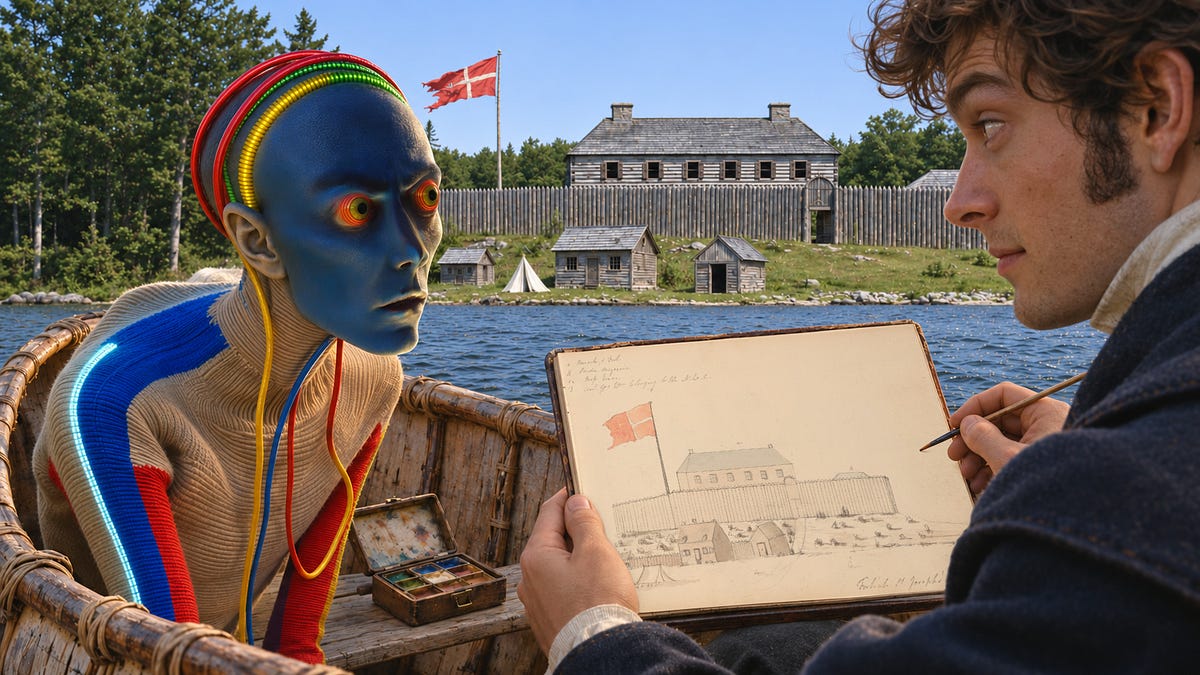
A historian used GPT-6.2 Astra to identify who drew an anonymous 1808 sketchbook.
What is it?
Mark Humphries of Generative History describes how GPT-6.2 Astra, tested before its public release, identified the probable artist of an anonymous 1808 sketchbook held at Yale's Beinecke Library. The model named Louis-Guy-Charles-Guillaume de Rohan-Chabot, vicomte de Chabot. Humphries says this is a narrow example of historical research.
How does it work?
The run took 22 minutes and 1 second at Ultra effort level in the ChatGPT Windows Desktop app, and Humphries says goal mode was not needed. He then followed the model's lead to Chabot's 'Journal to the Upper Country'. The entry for 18 June 1808 says Chabot took a sketch at Fort St. Joseph, which matches one of the drawings. Humphries reports that Fable 5.2 reached the same name in about 35 minutes but did not find the journal.
Why does it matter?
The post is a concrete, checkable example of an AI model doing archive research that ended in a primary-source match. Humphries also lists limits: his own prompt guesses sent the model on a brief wrong trail, its answers read oddly when evidence is thin, and it hedged even after it had the diary. The result is his own account.
Who is it for?
historians, archivists, researchers
Try it
https://generativehistory.substack.com/p/gpt-62-astra-solves-a-historical