Anthropic · 2026-09-25 · major
Appeals court backs the Pentagon's Anthropic ban — Claude stays out of DoD work
The D.C. Circuit upheld, 2-1, the Pentagon's supply-chain-risk label on Anthropic. The ruling lets the Department of War keep Claude out of its systems and bar contractors from using it on defense work.
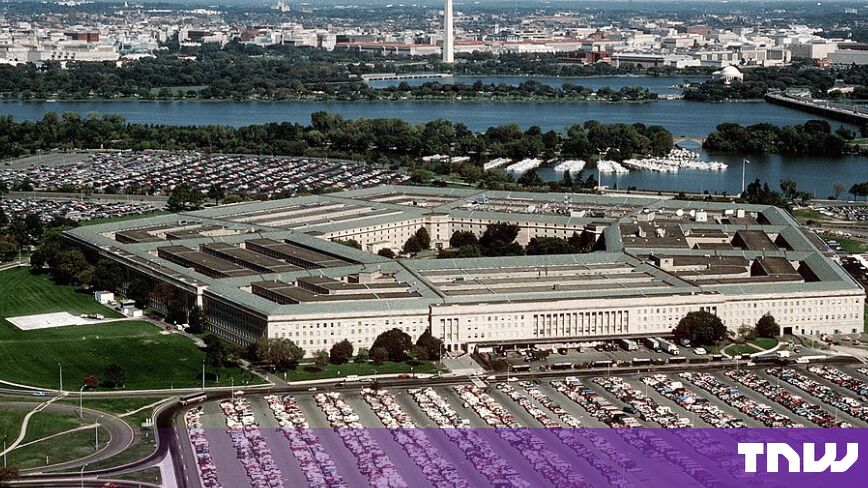
A federal appeals court says the Pentagon may keep treating Anthropic's Claude as a supply-chain risk.
Quick facts
| Court | U.S. Court of Appeals, D.C. Circuit |
|---|---|
| Decision date | September 25, 2026 |
| Vote | 2-1 (Katsas and Rao; Henderson dissenting) |
| Law | Federal Acquisition Supply Chain Security Act of 2018 |
| Case | Anthropic PBC v. Department of War, No. 26-1049 |
| Claims rejected | Statutory, First Amendment, due process |
What is it?
The U.S. Court of Appeals for the D.C. Circuit denied Anthropic's challenge to the Pentagon's supply-chain-risk designation on September 25, 2026, in a 2-1 decision. The label lets the Department of War remove Claude from its systems and bar the military and its contractors from using Claude for defense work. It does not bar Anthropic from the rest of the federal government.
How does it work?
Judge Gregory Katsas, joined by Judge Neomi Rao, wrote that the Department 'had ample support' for its view that keeping Claude in its information systems 'presented a statutorily covered national-security risk' under the 2018 supply-chain security law. The dispute began when Anthropic refused to drop contract terms that block Claude's use for lethal autonomous weapons and domestic mass surveillance. In dissent, Judge Karen Henderson argued the law targets subversive, deceptive interference, not a company openly enforcing known limits on its own product.
Why does it matter?
Defense contractors now have an appeals ruling that supports the ban, so Claude must stay out of their Pentagon work while the fight continues. The courts are split: in August a federal judge in San Francisco found a parallel designation unlawful. Anthropic says it is 'considering all options, including further review.'
Who is it for?
teams deploying Claude in defense and government settings
Frequently asked questions
- Can defense contractors still use Claude after the D.C. Circuit ruling?
- Not for Pentagon work. The D.C. Circuit's September 25, 2026 decision upholds the supply-chain-risk designation, which bars the military and its contractors from using Anthropic's Claude models on Department of War systems. The ruling does not ban Anthropic from the wider federal government, so civilian agencies are not covered by this decision.
- How does the D.C. Circuit ruling fit with the August court win for Anthropic?
- The two rulings point in opposite directions. In August 2026, U.S. District Judge Rita Lin in San Francisco found a parallel Pentagon designation of Anthropic unlawful. The D.C. Circuit's 2-1 decision on September 25 upholds the other designation under the 2018 supply-chain security law, leaving two courts with conflicting outcomes.
- Why did Judge Henderson dissent in the Anthropic case?
- Judge Karen Henderson argued that the supply-chain security law's definition of risk requires intentionally subversive acts carried out through deceptive means. In her view, Anthropic openly enforcing known contract limits on Claude, such as its bans on autonomous weapons and mass surveillance, does not count as manipulating government systems.
- Will Anthropic appeal the D.C. Circuit decision?
- Anthropic has not announced a specific step. A company spokesperson said Anthropic remains confident in its position and is 'considering all options, including further review,' and pointed to the separate court that already found the parallel designation unlawful. No timeline for further review has been published.